
How OEM keeps you ahead of competition : Differences Between Physical, Chemical, and Hybrid sunscreens
Do you take a while to shop for sunscreen? Are the different types and brands of sunscreen confusing you? Choosing between physical, chemical, or hybrid sunscreen? We've all been there, but don't worry—this blog will guide you on which sunscreen is best for you.

Physical sunscreen (Mineral Sunscreen )
Do you have dry, sensitive skin or skin conditions like rosacea, or eczema?
Then, physical sunscreen is the right one for you !
Ingredients : Zinc Oxide and Titanium Dioxide
Zinc Oxide and Titanium Dioxide serve as a protection against UVA and UVB. It physically reflects or scatters UV radiation from penetrating the surface of the skin. Providing instant protection and no wait time compared to chemical sunscreens. It does not clog pores. Although, it does have a thicker consistency and may also leave a white cast。Additionally, it is gentle and less likely to cause irritation, making it suitable for people with eczema or sensitive skin. Also, it lasts longer and it is safer for the environment.
Chemical Sunscreens
For those with Oily , acne, blemish-prone, and normal skin. This is for you !
Ingredients : Oxybenzone, Avobenzone, Octinoxate, Octocrylene, salicylates and cinnamates
Unlike physical sunscreens, chemical sunscreens absorb and convert UV rays into harmless heat, which then dissipates. Additionally, chemical sunscreens use a combination of two or more active ingredients because some active ingredients provide UVA protection, while others provide UVB protection. Moreover, they require a waiting time of at least 20–30 minutes before sun exposure. They are often lightweight, have fast spreadability, and blend into the skin when absorbed. They don’t leave a white cast. Due to their transparency, they are easier to apply under makeup.

Hybrid sunscreens
Ingredients: contains a mix of the active ingredients of chemical and physical sunscreen.
Suitable for all skin types
Hybrid sunscreens are a combination of chemical and mineral sunscreens. They both contain mineral and chemical sunscreen ingredients. Lightweight texture, non-greasy and do not leave a white cast. They also provide long-lasting protection. Also, like any other sunscreens, it is still advisable to reapply sunscreens every 2 hours and do not forget to wash off sunscreens to prevent from breaking out and irritation.
Marine Algae
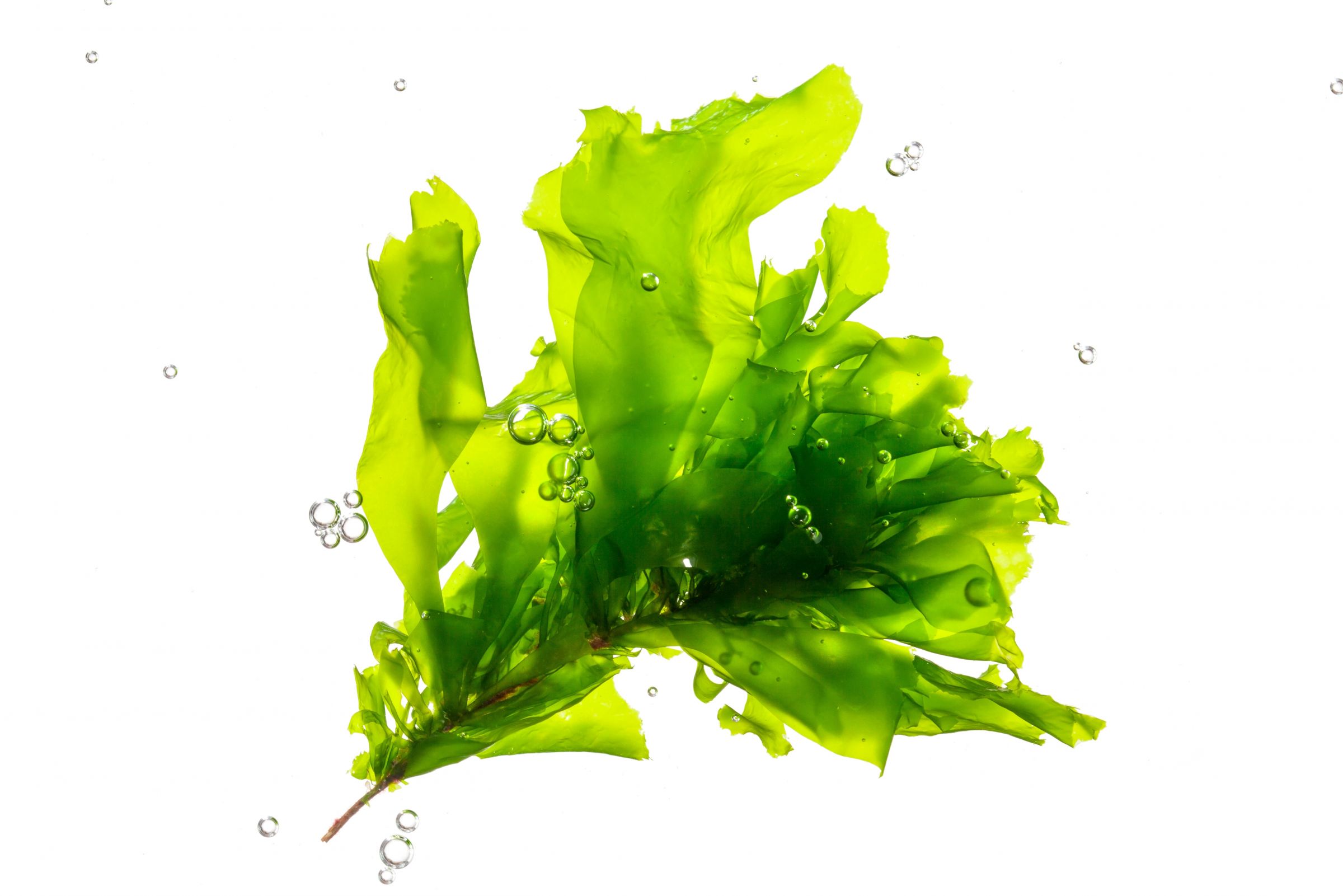
Seaweed, nori, kelp, and spirulina are just some examples of marine algae. Marine algae, especially seaweed, have been used for centuries in food, medicine, agriculture, and more. They have also become an important ingredient in skincare. Rich in vitamins A, C, E, B12, minerals, and antioxidants, marine algae can contribute to overall skin health. They can help brighten the skin and promote radiance. In addition, marine algae are hydrating, soothing, and moisturizing. They also have anti-aging properties and can help reduce the appearance of fine lines and wrinkles. Marine algae definitely have a lot to offer when it comes to skincare. Moreover, they are gentle, making them suitable for sensitive skin.

Shea butter
This ingredient has always been in demand, and that is not without reason. Time and time again, shea butter has proven that it is effective, safe, sustainable, and cost-efficient. You’ll find shea butter in almost any lotion or moisturizer because it moisturizes dry skin without feeling greasy. Also, it has anti-inflammatory and antioxidant properties. Additionally, it is also found in hair care products and provides hair care benefits such as moisturizing, improving shine, and repairing split ends and breakage.
Baobab oil
Golden yellow in appearance, this oil works wonders in terms of anti-aging. It improves skin elasticity, makes the skin appear firmer and smoother, moisturizes, reduces inflammation, and enhances skin texture. Moreover, applying baobab oil to your hair provides several benefits, such as moisturizing the scalp, conditioning the hair, and improving hair texture. Not only is it versatile and great for both skin and hair, but it is also natural and sustainable.

In conclusion, many people now prefer organic skin care because it is natural and free from harsh chemicals. Thus, organic skincare is gentle and is less likely to cause skin allergies. Also, it is suitable for people with sensitive skin or allergies. Additionally, it is eco-friendly and sustainable, making it a favorable choice among consumers. To ensure the authenticity of organic personal care products, look for certifications such as USDA Organic, ECOCERT, and COSMOS Organic.
Biocrown offers OEM/ODM services for skincare products, tailored to your preferred ingredients, desired features, and functionalities. Additionally, it is certified by ECOCERT and COSMOS Organic.For more information, visit our website at https://www.biocrown.com.tw/en/index/index.html.